DIY Tips for Independent Filmmakers – GenMovi


Think back to the thrilling and unforgettable chest burst scene in Stranger.
When that horrible creature rips Kane’s chest apart, it’s not CGI, it’s practical effects at their finest.
This legendary moment in horror cinema was achieved using practical effects that rendered the scene disturbingly realistic.
For independent filmmakers, especially those venturing into horror, practical effects offer a practical and cost-effective way to create scenes that leave a lasting impression.
So how can you create breathtaking and memorable horror scenes without breaking the bank?
Let’s look at some proven practical effects you can experiment with in your next indie horror project.
What are practical effects in cinema?
Practical effects, or special effects (SFX), are the real, tangible effects created on set and that occur right in front of the camera.
Think makeup, animatronics, miniatures and even explosions filmed in real time.
Unlike visual effects, which are usually added in post-production, practical effects involve real materials and craftsmanship to bring a scene to life.
In horror, practical effects are particularly popular because they give filmmakers the ability to create physical scares that feel more organic and immediate to actors and audiences.
From spurting blood to frightening creatures, practical effects have been the cornerstone of some of the most iconic moments in cinematic history.
Now let’s see how you can recreate some of these effects on a budget:
1. Fake blood
Whether it’s a subtle trickle or a real stunt, fake blood adds a crucial shock factor to your scenes. And the best? You don’t need expensive accessories to produce convincing blood: all you need is a few cooking ingredients.
Real movie example
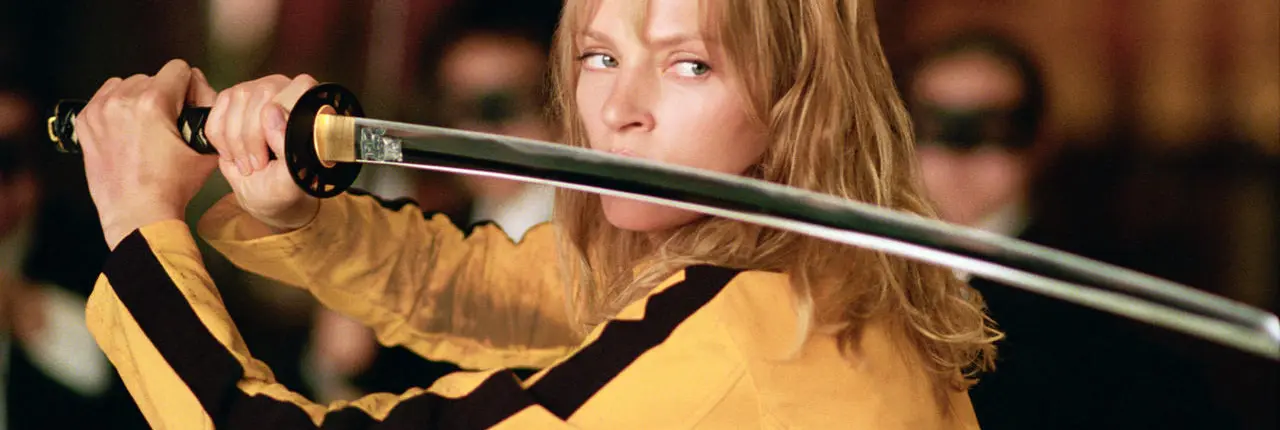
Quentin Tarantino Kill Bill The series is a masterclass in the art of stylized violence, with fake blood playing a starring role in some of its most iconic scenes.
In Kill Bill: Volume 1the legendary fight between The Bride and the Crazy 88 gang becomes a visual spectacle, thanks in large part to the gallons of blood spilled on the screen. The combat is a mix of classic martial arts choreography and over-the-top gore, with practical effects amping up the action.
Tarantino intentionally leaned into the exaggerated use of fake blood, taking inspiration from grindhouse cinema and samurai films. It wasn’t just to shock: the continuous fountains of blood created a surreal and almost operatic feeling, elevating violence to the status of high art.
For independent filmmakers, Kill Bill is a perfect reminder that practical effects can transform a simple scene into something unforgettable, even on a modest budget.
For advice: Be careful of stains! Some food colors may be difficult to remove from skin or clothing. Use it sparingly if you don’t anticipate a complete bloodbath.
Check out this tutorial for a step-by-step guide on creating fake blood.
2. False intestines
Few things disgust the public as much as the sight of intestines protruding from a body.
Although this effect may seem intimidating, it is surprisingly simple to achieve with basic materials.
Real movie example
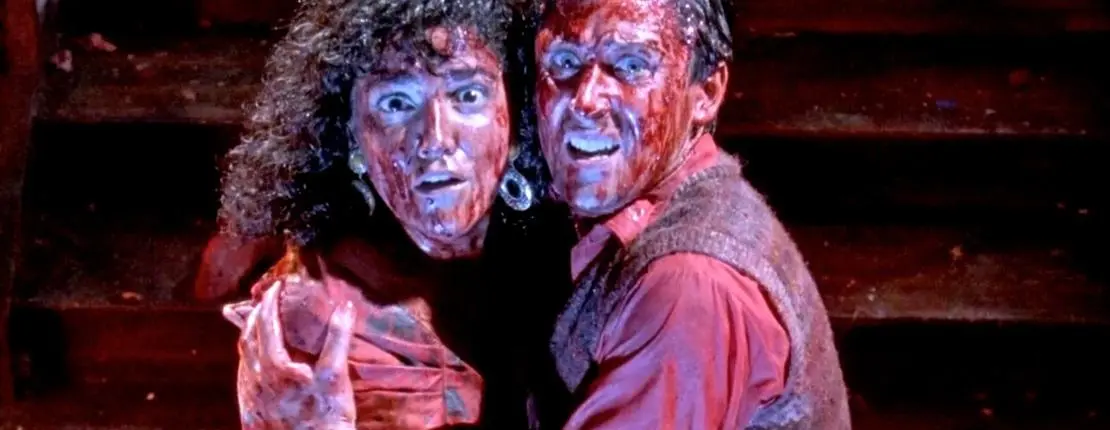
Peter Jackson’s brain death (also known as Living dead) is a cult classic known for its wild and over-the-top gore, particularly in its use of fake intestines.
In one of the film’s most memorable scenes, Lionel, the protagonist, confronts a zombified creature whose intestines come to life and attack him.
The intestines, made of latex and filled with slime, slide and wriggle like sentient creatures, transforming what could have been a horrific moment into something hilarious and grotesque.
Jackson’s team relied on practical effects and simple materials like latex, rubber tubing and fake blood to create this scene. The intestines were manually handled by the crew, adding to the absurdity and dark humor of the moment. Despite the film’s low budget, the practical effects helped brain death stands out for its creativity and charm.
For advice: Keep your intestines flexible so they can move naturally on screen. You don’t want them to look stiff or plastic-like.
Follow this quick tutorial to learn how to make fake intestines.
3. Projector Ghosts
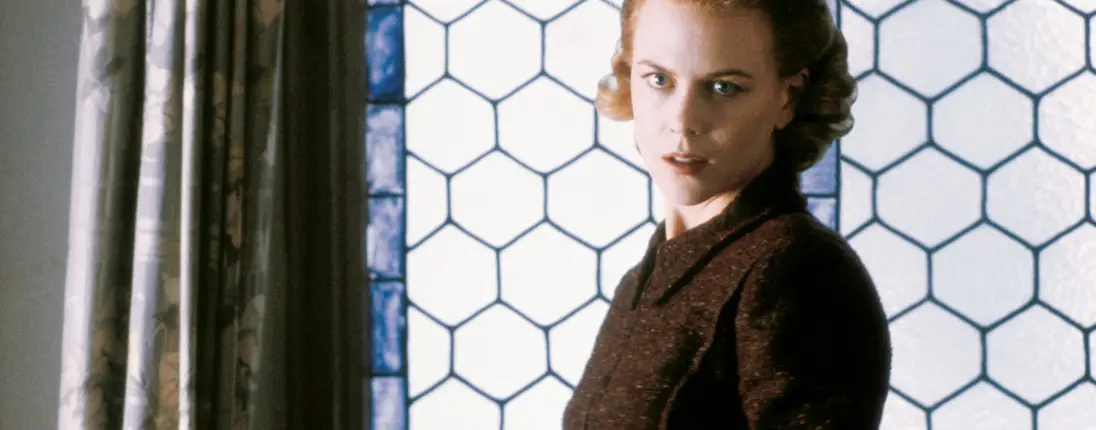
There’s something undeniably spooky about a ghostly apparition floating down a dark hallway. With a little creativity, you can achieve this classic effect using just a spotlight.
Real movie example
In The others (2001), director Alejandro Amenábar keeps things subtle but spooky with clever practical effects, including the use of projection techniques to bring ghostly figures to life.
A particularly eerie moment shows these specters appearing through projected images and carefully manipulated lighting, giving the impression that spirits are lurking quietly around the house. Instead of turning to CGI, Amenábar sticks to old-school tricks like rear projection and soft, controlled lighting to create atmosphere.
This method allows the ghostly figures to disappear and appear, almost as if they were part of the walls themselves. The result? A haunting presence that feels more real – and far scarier – than any computer-generated effect.
For advice: Play with the opacity of your ghost visuals. This will make them even more ethereal and less solid.
Here’s a quick guide on how to create your own projector ghost.
4. Prosthetics
When it comes to transforming actors into terrifying monsters, creatures or zombies, prosthetics are your best friend.
While Hollywood productions use custom molds and expensive materials, you can achieve impressive results on a budget with some DIY skills.
Real movie example
John Carpenter The thing (1982) is a fan favorite when it comes to practical effects, especially with its unforgettable creature transformations. The film’s prosthetics are still considered top-tier horror magic, showing just how powerful practical effects can be when it comes to scaring audiences.
The grotesque and slimy alien mutations in The thing seem disturbingly real, thanks to some seriously creative use of prosthetics, animatronics, and good old-fashioned movie tricks. Even today, these transformations still give viewers chills, proving that sometimes practical effects can be even more unsettling than any CGI.
For advice: For more complex creations, invest in silicone molds or pre-made prosthetics, which can be personalized with makeup tailored to your specific monster.
Learn how to create your own prosthetics in this two-part tutorial.
5. Ghostbusters Vase
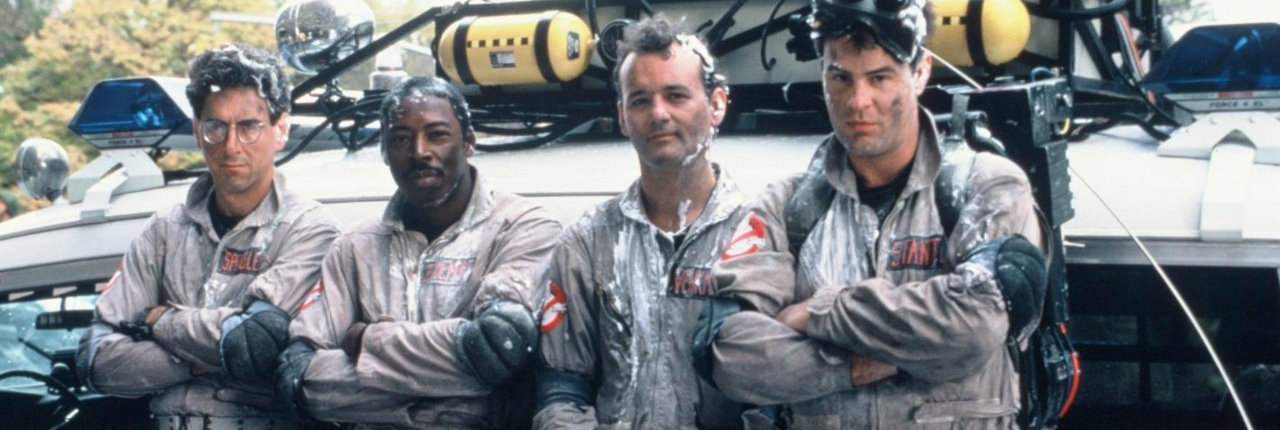
Slime has been a staple of supernatural horror and science fiction since Ghostbusters made it iconic. Whether you want to recreate the look of something gooy oozing from the walls or a character covered in goo, slime is easy to make and adds a wonderfully disgusting element to your scenes.
Real movie example
In Ghostbusters (1984), ectoplasm – better known as “slime” – is practically a character in its own right. This gooey green substance appears in several scenes, adding a mix of comedy and horror to the action.
Whether it’s dripping from ceilings or covering the Ghostbusters after an altercation with a ghost, slime is a perfect example of how practical effects can bring a bit of fun (and grossness) to a film.
For advice: For an even more authentic atmosphere Ghostbusters atmosphere, let the slime flow slowly onto the walls or onto the characters. This ensures that you capture that oozing, unpredictable movement on camera.
Check out this tutorial to make your own Ghostbusters slime.
Learn the magic of cinema
Whether it’s buckets of blood or haunting apparitions, practical effects are a must for any horror filmmaker looking to deliver scares on a limited budget.
For those interested in mastering both the digital and physical aspects of film, explore our Cinema program And Visual effects program at the Los Angeles Film School.
We’ll teach you how to bring your wildest cinematic dreams (or nightmares) to life.