Netflix’s ‘Last Samurai Standing’ is one of the best action shows of the year | TV/Streaming


Edgar Wright’s “The Running Man” might just be the survival-based action-commentary thriller hitting the big screen this week. On the small screen, however, look for Netflix’s “Last Samurai Standing,” which features similar elements woven through a story inspired by the end of the samurai class era. The series, based on the manga series by Shogo Imamura Ikusagamicontinues the streamer’s trend of live-action manga adaptations such as “One Piece,” “Yu Yu Hakusho” and “Parasyte: The Grey.” “Last Samurai Standing” is a new high in the subgenre, standing out as one of this year’s best action TV series.
Imagine a version of Fukasaku’s “Battle Royale” set during the Meiji Restoration, a period in the late 19th century when the feudal caste system was dismantled and made obsolete. Much like Fukasaku’s masterpiece, it captivates with a distinctive blend of social commentary and entertaining sequences of grisly violence.
The six-episode first season unfolds largely through the point of view of Shujiro Saga (a compellingly solemn Junichi Okada), a former assassin coveted by government officials, earning him the nickname “The Manslayer.” “Kodoku,” the first in the series, begins during the Boshin War exodus at the Battle of Toba-Fushimi. The Imperial forces and their weapons and cannons defeat Shujiro and his fellow samurai there, rendering the samurai obsolete.
Nearly a decade later, in 1878, surviving Shujiro suffered from PTSD. His village and his family are faced with the cholera pandemic. His young daughter dies from the disease, and his wife (Riho Yoshioka) and son soon fall ill, contracting it themselves. Just when all hope seems lost, Shujiro receives a mysterious invitation to a Kyoto-based Tenryū-ji temple for a tournament, with 100 billion yen as the grand prize.
There he finds himself one of 292 warriors, ranging from samurai to archers, many of whom were either surviving veterans, stricken by poverty, or failed to adapt to the new Meiji world. The host and supervisor Enju (Kazunari Ninomiya) reveals that they are now in a game called “Kodoku”. In the game, competitors must take the Tōkaidō route (from Kyoto to Tokyo) and obtain the tags of their comrades by killing them. At each pit stop, they must collect up to a specific amount. Only nine players can reach the final destination and must then have 30 beacons each.
The game begins. Within seconds, swords are flying, blood is flowing, and body parts are graphically dismembered. Activating a very Pedro Pascal protective father mode, Shujiro defends young Futaba Katsuki (a moving Yumia Fujisaki), who is there just to save her mother, and she joins him as a comrade. Along the way, the two meet and ally themselves with Shujiro’s fierce swordsman sister-in-law (Iroha Kinugasa) and Kyojin Tsuge (Mashahiro Higashide), a witty self-proclaimed “strategist.” Together, they attempt to survive, as dangerous warriors such as the barbarian “Savage Slasher” Bukotsu (a terrifying and captivating Hideaki Ito) loom.
“Last Samurai Standing” is an exceptional action spectacle unlike anything I’ve seen on TV and in movies this year. Series directors Michihito Fujii and Kento Yamaguchi (both co-writers), along with Toru Yamamoto, brilliantly expand the scope of the journey to Tōkaidō to create an epic backdrop that serves as a battlefield for superbly designed swordplay or mixed-weapon sequences. Each episode captivates with its raw and extremely violent sword fights, masterfully filmed, choreographed and edited. Each action scene grows in size and scope, showcasing the post-feudal world as both dynamic and dystopian. Each actor, all of whom perform their own stunts remarkably well – with Okada as the main action choreographer and producer – delivers a kinetic commitment to the craft through their spirited performances.
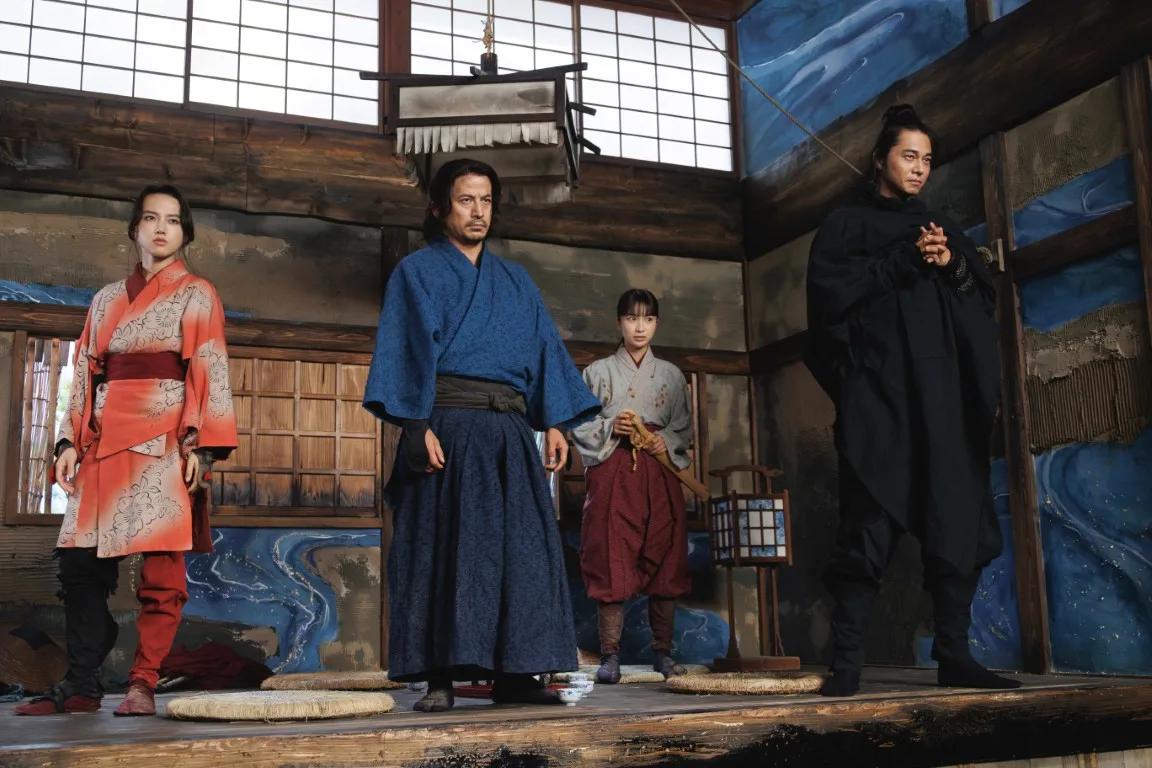
Fujii and Yamaguchi effectively deconstruct the socio-political elements of the era through the colorful and charming ensemble of samurai warriors and their journey. The emotional core comes from Shujiro and Futaba’s relationship, particularly the latter’s empathetic respect for human life. She is a beacon of hope in this harsh and macabre world, and her empathy is a source of enlightenment.
Considering that this tournament has 200 fighters, the only flaw of the series is that the writers try to introduce far too many characters for a small number of episodes. The characters will be introduced in cool flashbacks, only to be dispatched moments later. But many of the “survivors” are well developed. The main characters are all very likeable and have great chemistry with each other, which makes you want to root for them to stay alive.
The series admittedly wanders into cartoonish territory, as some elements of the action become absurd and the personalities, designs and skills of the aggressive fighters are reminiscent of those from “Mortal Kombat” (ironically, the season finale is titled “Mortal Combat”). The energetic writers and cast, however, maintain a well-balanced tone by knowing when to allow the vibrant elements to come into focus and when to rein them in to highlight the human element.
Ultimately, “Last Samurai Standing” is an epic, fully realized action series that seamlessly integrates some of the most complex action films seen on television in years with a beating human heart that we care about.
The entire season was screened for review. Now on Netflix.
Upcoming Movie Update
Berita Olahraga
News
Berita Terkini
Berita Terbaru
Berita Teknologi
Seputar Teknologi
Drama Korea
Resep Masakan
Pendidikan
Berita Terbaru
Berita Terbaru
Berita Terbaru